
Home > INDUSTRIES > Solution >



An air filter is an air purification device typically used for dust control in clean workshops, clean plants, laboratories, clean rooms, as well as electronic, mechanical and communication equipment.
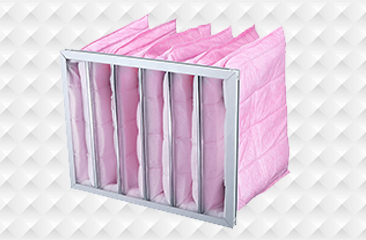
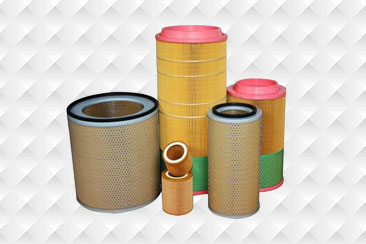
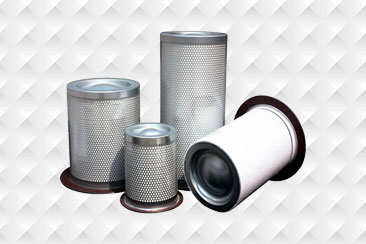
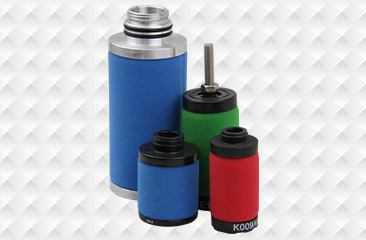
There are various types including pre-filters, medium-efficiency filters, HEPA filters and sub-HEPA filters, each with distinct standards and performance characteristics. So, how to select the right air filter?
First, determine the efficiency of the final-stage air filter based on the required indoor cleanliness standards, and then reasonably select the number of filter stages and the efficiency of each stage.
For general indoor purification needs, a pre-filter will suffice. For moderate purification requirements, a two-stage combination of pre-filter and medium-efficiency filter is recommended.
For ultra-clean purification, a three-stage system consisting of pre-filter, medium-efficiency filter and HEPA filter is required.
It is crucial to properly match the efficiency of adjacent filters—if the efficiency gap between two consecutive stages is too large, the upstream filter will fail to protect the downstream one effectively.

Second, accurately measure the dust content and particle characteristics of outdoor air. Since air filters purify outdoor air before it is supplied indoors, outdoor dust content is a key parameter.
This is especially important for multi-stage filtration systems. When selecting pre-filters, factors such as operating environment, spare part costs, energy consumption, maintenance requirements
and supply availability should be taken into comprehensive consideration.

Third, clearly define the filter specifications. Key filter characteristics include filtration efficiency, resistance, penetration rate, dust holding capacity, filtration velocity and air handling capacity.
When conditions permit, prioritize filters with high efficiency, low resistance, large dust holding capacity, moderate filtration velocity, high air handling capacity, easy installation and competitive pricing.
This selection principle is based on an economic analysis that balances initial investment, operational costs and energy efficiency ratio.

Finally, analyze the properties of dust-laden air. The air properties relevant to filter selection mainly include temperature, humidity, and concentrations of acids, alkalis and organic solvents.
Some filters are designed for high-temperature operation, while others can only work under normal temperature and humidity conditions.
In addition, acids, alkalis and organic solvents in the air can significantly impact filter performance and efficiency.

Xinxiang Lefilter Filter Co., Ltd All rights reserved Record No. : 11005909-1 prepared by Yu ICP


 +86 185 6822 9226
  enquiry@xxfilter.com