
Home > INDUSTRIES > Solution >



The coal conveying system is the "lifeline" of coal-fired power plants, steel mills, and chemical plants, but the coal dust problem generated throughout the entire process is far more complex than a simple cleaning issue. It is a double-edged sword hanging over production: it is both a recyclable resource and a serious safety hazard, a threat to equipment, and a source of significant cost inefficiencies. Traditional dust suppression methods such as water spraying or rudimentary dust collection are no longer sufficient to meet the complex demands of modern industry for safety, environmental protection, and efficiency. This article will delve into the core challenges of dust control in coal conveying systems and systematically present a comprehensive solution that integrates "inherent safety, efficient recovery, and intelligent energy saving."
I. In-Depth Insight: The Four Core Pain Points and Misconceptions in Coal Conveying System Dust Control
Coal dust in conveying systems is characterized by fine particle size, high volatile content, and strong fluidity. Effective control must be based on a deep understanding of the following pain points:
Safety Pain: The Ever-Present Risk of ExplosionCoal dust is classified as one of the most explosive industrial dusts. At transfer points, inside crushers, and in dust collector hoppers, high-concentration coal dust clouds, when encountering sparks (metal collision, static electricity, bearing overheating) or high-temperature surfaces, can easily trigger primary or even more destructive secondary explosions. Many accidents stem from treating dust collectors solely as environmental protection equipment, neglecting their significant risk as potential sources of explosion.Economic Pain: Invisible Asset Loss and Cost ErosionDirect Loss: A 10,000-ton-capacity coal terminal or power plant coal conveying bridge can lose hundreds or even thousands of tons of coal annually due to dispersion, resulting in huge resource waste.
Indirect Costs: Dust accelerates the wear and tear of equipment such as conveyor belts, idlers, and plows, shortening their lifespan by 2-3 times; dispersed dust entering the equipment's electrical system leads to short circuits and frequent malfunctions, significantly increasing maintenance costs.
Operational Pain: System Reliability Challenges
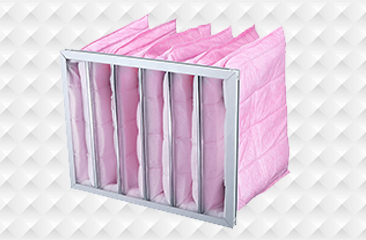
Traditional baghouse dust collectors are prone to bag clogging and caking when handling fluctuating humidity or fine coal dust, leading to soaring resistance and insufficient suction airflow, further worsening on-site dust concentration. Frequent manual cleaning and maintenance not only create a harsh working environment but also increase system instability and personnel safety risks.
Environmental and Health Challenges: Compliance Pressure and Occupational Health Risks
National standards for workplace dust concentration (such as PC-TWA limits) and fugitive emissions are becoming increasingly stringent. Widespread coal dust severely jeopardizes employees' respiratory health and is a direct cause of environmental penalties and damage to a company's reputation.
Common misconceptions in dust control include "focusing on the end-of-pipe treatment while neglecting the source; prioritizing procurement over design." Simply installing dust collectors at dust-generating points without systematically considering dust generation mechanisms, airflow matching, piping design, and safety protection often leads to significant investment with ineffective results.


II. Systemic Solutions: Building a "Safe Respiratory System" for Coal Conveying Corridors
We advocate treating dust control in coal conveying systems as a safety and material recovery subsystem of equal importance to the main process, employing a systems engineering concept of "source sealing—intelligent collection—intrinsically safe purification—resource reuse."
Module 1: Source Suppression and High-Efficiency Sealing – Reducing Dust Sources for Maximum Efficiency
Controlling dust at its point of origin is the most efficient and economical method.
Fully Enclosed Material Guiding: Revolutionary design of chutes and guide troughs, utilizing a double-layer sealed dust suppression channel. The inner layer is a wear-resistant ceramic lining, the outer layer is a sealed box, creating a damping space in between, greatly buffering induced airflow.
Micro-Power Passive Dust Suppression Technology: Installing a charged water mist dust suppression device or ultrasonic atomization dust suppression system at the head pulley of the belt conveyor. The core principle is to refine water mist particles to 10-30 microns, making them similar in size to coal dust particles. Through collision and agglomeration, the particles effectively increase in weight and settle, consuming only 1/10 of the water used in traditional spraying, completely avoiding belt slippage and coal material adhesion.
Module 2: Precise Capture and Airflow Optimization – Scientific Design, the Cornerstone of Energy Saving
Differentiated Airflow Design: Abandoning the "one-size-fits-all" approach to dust extraction at all transfer points. Based on material characteristics, drop height, belt width, and flow rate, CFD simulation is used to calculate the minimum effective control airflow for each dust source point. For example, a large airflow is used at the primary crusher outlet, while a smaller airflow is used at the transfer point in the middle of the conveyor bridge, optimizing the overall system airflow by 20%-30%.
Adaptive Air Supply Hood: An intelligent air supply valve is installed at the end of the sealed guide trough. Based on the belt conveyor's operating status and internal pressure, it automatically adjusts the air supply volume, ensuring effective dust suppression without causing energy waste and material loss due to excessive suction.
Module 3: Core Purification – Intrinsically Safe Dust Collector
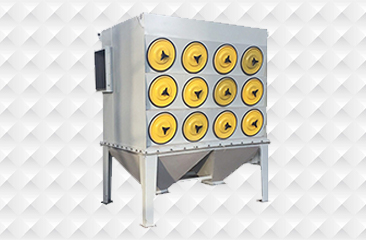
This is the "heart" of the system, and safety must be prioritized over performance. Explosion-Proof Pulse Jet Bag/Cartridge Dust Collector:
Explosion-Proof Structure: The main body design conforms to ATEX or NFPA standards, employing an explosion-proof design with a pressure resistance of ≥0.1 MPa. It is equipped with a sufficient area of flameless explosion venting devices to safely direct explosion pressure and flames outdoors.
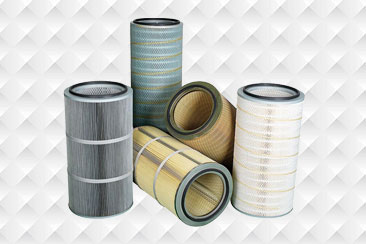
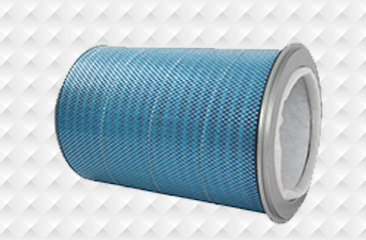
Explosion-Proof Filtration Medium: Anti-static and flame-retardant filter materials are used (such as anti-static polyester impregnated with conductive fibers), with a surface resistance of ≤10^9Ω, ensuring that the filter bags themselves do not accumulate electrostatic sparks.
Explosion-Proof Cleaning: Nitrogen pulse cleaning is used (for high-risk areas), eliminating oil, water, and potential ignition sources in the compressed air.
Active Safety Monitoring System:
Spark Detection and Extinction: An infrared spark detection system is installed in the upstream pipeline of the coal conveyor belt entering the dust collector. Upon detection of a spark, a high-pressure water mist spraying unit is immediately triggered to completely extinguish the spark before it enters the dust collector.
Temperature and CO Monitoring: Temperature sensors and carbon monoxide sensors are installed in the dust collector hopper and casing. An abnormal increase in CO concentration is the earliest signal of smoldering, and the system can automatically activate nitrogen inerting or sprinkler protection.
Module Four: Intelligent Control and Resource Recycling – Smart Brain and Closed-Loop Economy
Intelligent Energy-Saving Control System: Based on PLC + variable frequency drive core control, the system can automatically adjust the frequency of the dust collector fan according to the start/stop signal of the conveyor belt and the material flow signal, achieving "material stop, machine stop." Energy savings of up to 40%-60% can be achieved during non-full-load operation.
Automatic Material Recycling: The collected dry coal powder is automatically and hermetically returned to the main conveyor belt or designated collection bin through a rotary discharge valve and screw conveyor, achieving 100% resource recovery and completely eliminating secondary handling pollution.


III. Application Scenarios and Outlook
This solution is particularly suitable for:
Large-scale coal-fired power plants (especially those located at coastal and inland river ports) for their unloading, storage, crushing, and coal handling systems.
Coal conveying lines in coking and sintering raw material yards of steel enterprises.
Raw coal preparation and conveying sections of coal chemical enterprises.
In the future, dust control in coal conveying systems will be more deeply integrated with the Industrial Internet of Things (IIoT). Through big data analysis, the system will not only be able to warn of dust explosion risks but also predict equipment wear and optimize conveying efficiency, ultimately becoming a core component of the refined and intelligent management of "energy flow" and "material flow" in smart factories.
Conclusion
Managing dust in coal conveying systems is essentially an intersection of energy, safety, and efficiency management. It should not be viewed as a cost expenditure driven by compliance pressure, but rather a strategic investment that achieves enhanced safety, cost reduction, efficiency improvement, and sustainable development through technological upgrades. We offer a key that can unlock all three of these aspects simultaneously.
Let every coal transfer be safe, clean, and valuable.
Welcome to contact us for a free dust safety risk assessment and preliminary technical solution based on your coal conveying system drawings.
Xinxiang Lefilter Filter Co., Ltd All rights reserved Record No. : 11005909-1 prepared by Yu ICP


 +86 185 6822 9226
  enquiry@xxfilter.com