
Home > INDUSTRIES > Solution >



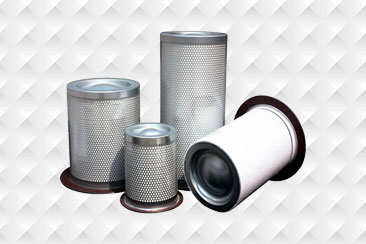
Air compressors are widely used in various fields of industrial manufacturing and are indispensable general-purpose equipment. However, users may encounter some problems when using air compressors, and a large oil separator pressure difference is one of the more common faults.
So, what are the causes of a large oil separator pressure difference in an air compressor?
Main Causes:
Intake System Problems:
High Environmental Dust:High dust levels in the environment surrounding the air compressor station (e.g., cement plants, waste-to-energy plants) allow a large amount of dust to enter the machine through the intake system. This dust is intercepted by the oil separator, causing the oil separator pressure difference to rise rapidly.
Poor Intake Seal: Gaps or loose seals in the intake system allow some air to enter the machine directly without passing through the air filter, increasing the load on the oil separator and raising the pressure difference.
Oil Separator Pressure Difference Sensor Failure:
False Sensor Alarm: A malfunction in the oil separator pressure difference detection system causes the displayed oil separator pressure difference to differ from the actual pressure difference, resulting in a false alarm and a misinterpretation of a high oil separator pressure difference.
Abnormal Machine Operating Temperature
Prolonged Low-Temperature Operation: When the machine operates in a low-temperature environment for extended periods
(e.g., long periods of idle time for a linear frequency machine or prolonged low-frequency operation for a variable frequency machine), moisture in the oil separator tank cannot evaporate in time, adsorbing onto the oil separator filter media. This causes the filter media to swell, the pores to shrink, and the pressure differential to increase.
High-Temperature Oil Deterioration: Poor machine heat dissipation leads to excessively high exhaust temperatures, causing the oil to deteriorate and produce carbon deposits. These carbon deposits and deteriorated oil remain on the oil separator filter media, clogging the pores and increasing the pressure differential.
Lubricating Oil and Filter Quality Issues
Poor Lubricating Oil Quality: The selected lubricating oil has poor oxidation resistance and contains many impurities, easily producing carbon deposits and sludge, clogging the oil separator filter media.
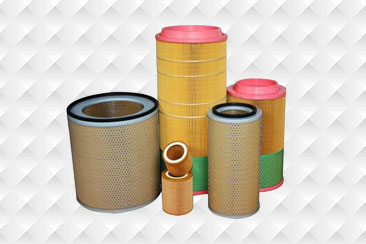
Insufficient Filtration Accuracy of the Three Filters: Poor filtration accuracy of the air filter and oil filter fails to effectively intercept dust and oil impurities, allowing impurities to enter the oil separator and increasing the pressure differential.
Solutions:
Improve the Intake Environment and Sealing
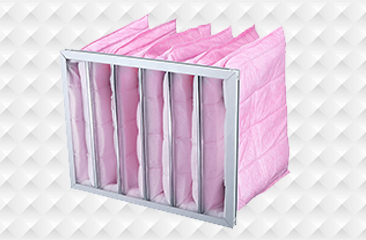
Install a pre-filter before the air intake of the air filter, or replace it with a nano-heavy-duty air filter to enhance the filtration effect.
Inspect and repair the intake system seal to ensure all air enters the machine through the air filter.
Inspect and replace sensors. Replace the pressure sensor before the oil separator or at the machine's outlet, and retest the oil separator pressure differential to confirm if the problem is a sensor malfunction.
Adjust operating temperature. Increase the machine's operating temperature to 80-95℃ to prevent moisture buildup caused by low-temperature operation.
For water-cooled machines, check the cooler for internal leaks. If leaks are found, replace the oil separator, oil filter, and engine oil immediately, and repair the cooler.
Optimize oil and filter selection. Under the guidance of professionals, select the appropriate quality lubricating oil based on the operating conditions and change it regularly.
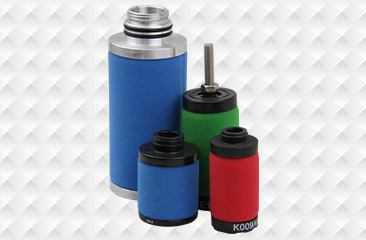
Replace the air filter and oil filter with appropriate filtration precision to ensure effective interception of impurities.
By taking the above measures, the problem of high oil separator pressure differential in the air compressor can be effectively solved, ensuring stable operation of the air compressor.
https://www.airfiltersolution.com/


Xinxiang Lefilter Filter Co., Ltd All rights reserved Record No. : 11005909-1 prepared by Yu ICP


 +86 185 6822 9226
  enquiry@xxfilter.com