
Home > INDUSTRIES > Solution >



Scrap Yard Dust Suppression System
Scrap yards and recycling facilities generate some of the heaviest and most hazardous industrial dust. Shredders, shears, torch cutting stations and material handling lines all release clouds of fine metal, rubber, glass and composite particles into the air. A scrap yard dust suppression system is designed to control those emissions so your team can work safely, your neighbors see less visible dust, and your facility stays aligned with OSHA and NFPA expectations around combustible dust and indoor air quality.
In scrap environments, dust suppression goes beyond standard indoor dust collection. Traditional dust collectors pull contaminated air into filters and return cleaner air to the building. Dust suppression systems complement that by controlling dust where it is generated - especially outdoors - using technologies such as atomized mist, water spray and engineered capture hoods. Together, these approaches reduce airborne dust, limit surface buildup and help manage explosion risks from combustible metal dust.
If your recycling process includes shredding, grinding, cutting or other dust-creating steps, LEFILTER Dust Collectors can help. Our team has designed systems for car dismantling, metal cutting, electronics shredding and outdoor torch cutting, using solutions like roof-mounted collectors and movable enclosures that track with mobile work areas.
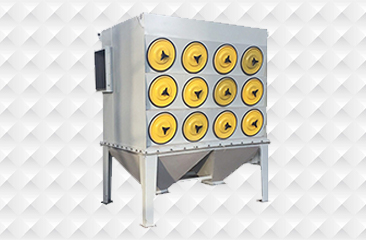
For these applications, we typically size systems anywhere from roughly 1,000 to 75,000 CFM, using downward-flow industrial dust collectors that encourage dust to fall into the hopper instead of re-circulating in the airstream. That combination delivers compact footprints with high filtration efficiency for demanding scrap yard environments.
Industrial Dust Control for Scrap and Recycling Operations
Scrap and recycling operations create dust at almost every step of the process. Feed conveyors drop material into shredders. Mobile shears and torch cutters break down oversized scrap. Magnets, grapples and loaders move piles from one area to another. Each impact, cut or drop can send industrial dust particles into the air.
Without effective scrap yard dust control, that dust can travel across your entire site. It settles on equipment, drifts toward neighboring properties, and can even be pulled back into enclosed processing buildings. Over time, that means:
Poor visibility around active equipment
Extra wear on bearings, hydraulics and electrical components
More frequent housekeeping and unplanned downtime
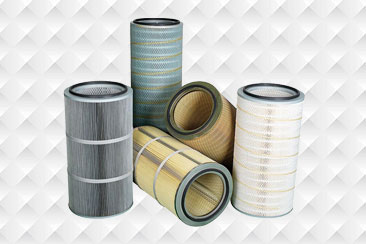
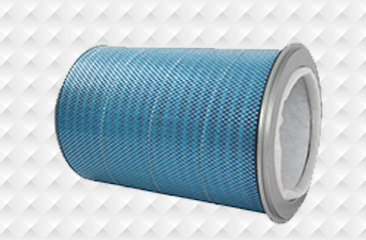
Industrial dust collectors give you a way to capture these particles and return cleaner air back to the facility or exhaust air at a much lower particulate concentration. For enclosed shredders, cutting tables, balers and sort lines, cartridge or baghouse collectors with properly designed hoods and ductwork are often the backbone of an effective dust control strategy.
With LEFILTER scrap and recycling customers can expect rugged construction, engineered lifting lugs, formed doors for stiffness and deep gaskets to help maintain a tight seal - all important when your collector is exposed to heavy dust loading and outdoor weather. Every system is test-fit and quality-checked before it leaves the factory so you get consistent performance from day one.
Why Scrap Yard Dust Is a Safety and Compliance Concern
Scrap yard dust is more than a housekeeping issue. Fine metal particles can create serious health, visibility and fire hazards if they are not managed properly. According to OSHA, accumulated combustible dust has been a factor in numerous industrial fires and explosions.
In a typical scrap yard, dust risks show up in a few key ways:
Respiratory and health risks: Cutting, shredding and grinding can generate respirable particles that may irritate the lungs or carry metals and other contaminants. OSHA guidance for metal scrap recycling highlights the need for respiratory protection and adequate ventilation wherever hazardous dust is present.
Combustible dust hazards: Very fine metal or mixed-material dust can ignite or explode if it accumulates and is dispersed in air with an ignition source. NFPA 484 (for combustible metals) and related standards outline requirements for assessing and controlling these hazards in metal processing and recycling operations.
Visibility and equipment safety: Dust clouds around mobile equipment, torch cutting lines or processing buildings make it harder for operators to see pedestrians and obstacles, contributing to potential accidents.
A well-planned scrap yard dust suppression system helps you address these concerns. By limiting airborne and settled dust, you support worker health, improve line of sight around heavy equipment, and demonstrate due diligence under OSHA’s general duty and housekeeping requirements related to combustible dust and walking-working surfaces.
Xinxiang Lefilter Filter Co., Ltd All rights reserved Record No. : 11005909-1 prepared by Yu ICP


 +86 185 6822 9226
  enquiry@xxfilter.com