
Home > INDUSTRIES > Solution >



How are filter cartridges classified, and what should be considered when selecting one?
Filter cartridges come in many types, mainly classified according to different dimensions such as filter media, structure, and function. Below are common filter cartridge types and points to note when selecting one:
I. Main Types of Filter Cartridges
Classification by Filter Media
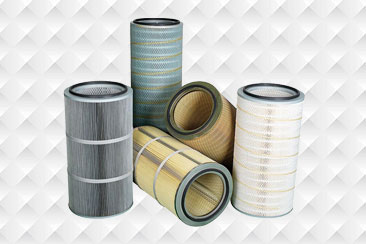
Polyester Fiber Filter Cartridges: Economical and practical, with good wear resistance, suitable for general ambient temperature dust filtration, such as in wood processing and grain processing industries.
PTFE Membrane Filter Cartridges: Extremely high filtration efficiency, achieving near-zero emissions, strong chemical corrosion resistance, suitable for ultrafine dust, high humidity, or sticky dust environments, such as in pharmaceutical, electronics, and chemical industries.
Anti-static Filter Cartridges: Made with special coatings or conductive fibers, reducing static electricity buildup, suitable for flammable and explosive dust environments, such as metal powder and coal powder.
High-Temperature Resistant Filter Cartridges: Filter cartridges made of materials such as P84 (polyimide) and aramid (Nomex) can withstand high-temperature flue gas, suitable for high-temperature conditions such as boilers, incinerators, and cement plants.
Composite fiber filter cartridges: Combining the properties of various fibers, they offer high filtration accuracy, corrosion resistance, and durability, suitable for complex working conditions.
Classification by structure:
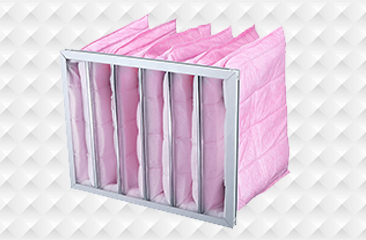
Standard pleated filter cartridges: Increase filtration area and improve filtration efficiency through pleated design, suitable for most conventional dust removal scenarios.
Quick-release filter cartridges: Facilitate quick replacement, reducing downtime, suitable for equipment requiring frequent maintenance.
Explosion-proof filter cartridges: Equipped with explosion-proof features, suitable for explosive environments such as chemical plants and coal dust.
II. Considerations for selecting filter cartridges
Consider operating conditions
Dust characteristics: Including particle size, viscosity, humidity, acidity/alkalinity, and corrosiveness. For example, ultrafine dust requires PTFE-coated filter cartridges; high-humidity, sticky dust requires waterproof and oil-proof filter cartridges;
the chemical industry requires acid and alkali resistant filter cartridges.
Gas characteristics: High-temperature flue gas requires high-temperature resistant filter media; oil-mist-containing gas requires oil-resistant filter cartridges.
Temperature range: Select matching filter media based on the temperature of the dust-laden gas to avoid filter cartridge damage due to excessively high or low temperatures.
Matching Equipment Parameters
Size and Installation Method: Confirm the filter cartridge dimensions (diameter, length, number of pleats) and installation method (flange, chuck, insertion, etc.) of the dust collector to ensure compatibility with the equipment.
Airflow Rate: Select a suitable filter cartridge based on the equipment's airflow requirements to avoid excessive or insufficient airflow affecting filtration efficiency and cartridge lifespan.
Consider Filtration Efficiency and Cost
Filtration Efficiency: Select an appropriate filtration efficiency based on emission standards and process requirements, such as MERV or HEPA standards. However, note that high-efficiency filter cartridges may be more expensive; a balance between cost and performance must be considered.
Maintenance Costs: Consider the filter cartridge's cleaning method, replacement frequency, and lifespan. Selecting easy-to-maintain, long-life filter cartridges can reduce long-term operating costs.


Xinxiang Lefilter Filter Co., Ltd All rights reserved Record No. : 11005909-1 prepared by Yu ICP


 +86 185 6822 9226
  enquiry@xxfilter.com