
Home > INDUSTRIES > Solution >



Application and safety management techniques of cartridge dust collectors in the chemical industry
The chemical industry involves complex production processes, and dust emissions include various types of dust, such as organic, inorganic, corrosive, and flammable/explosible substances. This not only pollutes the environment but also poses multiple safety hazards. Cartridge dust collectors, with their advantages of high-efficiency filtration, compact size, and strong adaptability, have become a core piece of equipment for chemical dust control. However, the unique characteristics of chemical industry operating conditions place extremely high demands on equipment safety. A comprehensive management system, encompassing selection, operation, protection, and maintenance, is therefore necessary. This article, considering the characteristics of the chemical industry, details the application points and safety management techniques of cartridge dust collectors.
I. Overview of Cartridge Dust Collectors
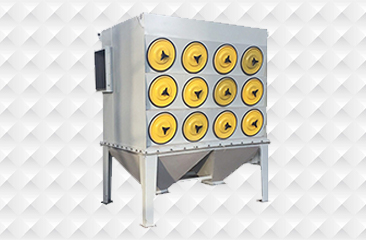
A cartridge dust collector is a highly efficient dry dust removal device. Its core principle is to intercept particulate matter in dust-laden gas through the filter media on the surface of the filter cartridges, achieving gas-solid separation. After the dust-laden gas enters the equipment through the inlet pipe, coarse dust particles settle into the ash hopper due to gravity, while fine dust particles are captured by the filter cartridges as the airflow rises. The clean gas is then discharged from the clean air chamber by a fan. A pulse jet cleaning device periodically cleans the dust from the surface of the filter cartridges, ensuring continuous and stable operation of the equipment.
Its core advantages lie in three aspects: firstly, high filtration accuracy, with a filtration efficiency of up to 99.99% for dust particles larger than 0.5μm, meeting the ultra-low emission requirements of the chemical industry;
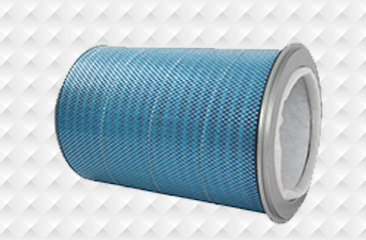
secondly, low operating resistance and thorough pulse cleaning, resulting in significantly lower energy consumption than traditional dust removal equipment; thirdly, a compact structure and large effective filtration area, occupying only 1/3 to 1/2 of the space required by bag-type dust collectors, making it suitable for the limited space layout of chemical workshops. The core structure of the equipment includes the housing, filter cartridges, cleaning device, ash hopper, and electrical control system. The performance of the filter cartridges and the cleaning system directly determines the dust removal effect and operational safety.
II. Characteristics of Dust in the Chemical Industry
Dust in the chemical industry exhibits significant complexity due to variations in production processes. Compared to other industries, it has four core characteristics, which also determine the difficulty in selecting and managing dust removal equipment:
1. Complex composition and high hazard: It includes organic dust (such as resin powder, sugar powder), inorganic dust (such as metal powder, silica powder), corrosive dust (such as acid and alkali salt powders), and dust containing heavy metals and toxic and harmful substances. Some dust is also accompanied by gaseous pollutants such as VOCs and acid mist, which can easily cause poisoning and environmental pollution if leaked.
2. Fine particle size and strong adhesion: Most chemical dust particles are ≤5μm, belonging to ultrafine dust, which can easily enter the human body through respiration and harm health. Some oily and damp dust (such as paint powder, paste powder) has strong adhesion, easily clogging filter pores and affecting equipment operation.
3. High risk of flammability and explosion: Dust such as aluminum powder, magnesium powder, and organic resin powder can cause explosions when reaching a certain concentration in the air (explosion limit) and encountering ignition sources such as open flames and electrostatic sparks. Explosions can also easily generate secondary dust, expanding the scope of damage.
4. High requirements for working condition adaptability: Dust temperature and humidity fluctuate greatly in chemical production. The dust temperature discharged from some processes can reach above 130℃, or be accompanied by high humidity (relative humidity > 80%) and corrosive gases, placing stringent requirements on the temperature resistance and corrosion resistance of filter materials and equipment structures.
III. Safety Risk Analysis
Based on the characteristics of chemical dust and the operating characteristics of cartridge dust collectors, potential safety risks are mainly concentrated in four dimensions, requiring targeted prevention and control:
1. Dust Explosion Risk: This is the most critical risk in the chemical industry. During the operation of the cartridge dust collector, dust layer shedding from the filter surface, dust bridging in the hopper, and dust generation during the unloading process can all lead to dust concentrations reaching the explosion limit. Simultaneously, static electricity generated by pulse cleaning, sparks from equipment friction, and heating of non-explosion-proof electrical components can all become ignition sources, triggering dust explosions inside the equipment or in the workshop.
2. Risk of Toxic and Harmful Dust Leakage: Damaged filter cartridges, poor sealing of the tube sheet, and cracks in pipe welds can lead to the leakage of heavy metal-containing and toxic dust, polluting the working environment. Long-term exposure can damage the respiratory and nervous systems of operators. If the leaked dust comes into contact with other chemicals in the workshop, it may also trigger chemical reactions and cause secondary hazards.
3. Equipment Corrosion and Failure Risk: Acidic (such as SO₂, HCl) and alkaline (such as NH₃) dust or gases can corrode the equipment casing, pipes, and filter media, leading to reduced equipment strength and failure of sealing performance. This not only shortens the equipment lifespan but also exacerbates dust leakage and safety hazards. Under high temperature and high humidity conditions, the filter media is prone to hydrolysis and aging, further leading to equipment failure.
4. Secondary Pollution and Environmental Compliance Risk: Improper disposal of dust accumulated in the hopper and indiscriminate discarding of discarded filter cartridges, especially those that have adsorbed toxic and harmful substances, can easily cause soil and water pollution. If the outlet dust concentration exceeds the standard, or if complete operating records and hazardous waste transfer records are not established, environmental penalties may be incurred.
IV. Filter Cartridge Material Selection
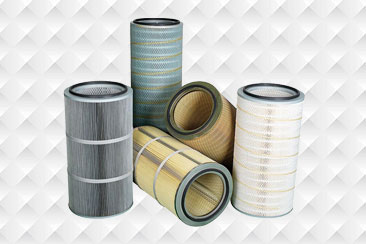
The filter cartridge is the core component of the dust collector. Material selection must be based on a three-dimensional model of "dust characteristics - gas conditions - equipment parameters" to achieve precise matching and avoid safety hazards and equipment failures caused by inappropriate materials. Commonly used filter cartridge materials and their applicable scenarios in the chemical industry are as follows: 1. PTFE (Polytetrafluoroethylene) coated filter media: Resistant to acids and alkalis, wide temperature range (-20℃-260℃), smooth surface for easy cleaning, and filtration efficiency of over 99.99%. It is suitable for corrosive dust containing acid mist, alkali mist, and organic solvents, as well as ultra-fine dry dust. It is the most versatile filter media in the chemical industry, with a service life of over 3 years.
2. Anti-static filter media: Conductive fibers are added to base materials such as polyester and PTFE. The grounding resistance is ≤10Ω, which can effectively dissipate static electricity and prevent sparks caused by static accumulation. It is suitable for flammable and explosive dust conditions such as aluminum powder, magnesium powder, and organic resin powder, and is a core material for explosion-proof dust collection.
3. Fiberglass filter media: Excellent temperature resistance (≤260℃) and strong chemical stability. It is suitable for high-temperature dust conditions (such as chemical reactor exhaust gas and calcination process dust), but its flexibility is poor, requiring a gentle cleaning method to avoid filter media damage.
4. Anti-stick coating filter media: The surface of polyester or PTFE filter media is treated with oil-repellent and water-repellent (WR) treatment, which can reduce the adhesion of sticky dust (such as paint powder and sugar powder) and prevent filter bag clogging. It is suitable for oily and humid chemical dust conditions.
5. PPS (Polyphenylene sulfide) filter media: Excellent chemical stability at 190℃ and strong acid resistance. It is suitable for medium-to-high temperature corrosive conditions such as coal-fired boiler flue gas and chemical acidic exhaust gas, and is more cost-effective than PTFE filter media. In addition, the sealing gasket material needs to be selected to match the filter media. Fluororubber has excellent temperature and acid-alkali resistance, ensuring that the sealing gap between the filter cartridge and the tube sheet is ≤0.2mm to prevent dust leakage.
V. Operating Parameters and Safety Control
Setting reasonable operating parameters and implementing dynamic control are crucial for ensuring the safe and efficient operation of the cartridge dust collector. These parameters need to be adjusted based on the type of dust:
1. Dust Cleaning System Parameter Control: The dust cleaning method and parameters directly affect the filter cartridge lifespan and dust removal effect. For ultra-fine dry dust, online pulse cleaning is used, with a pulse pressure of 0.3-0.4 MPa, a blowing time of 0.08-0.1 seconds, and a cleaning interval of 80-100 seconds; for sticky dust, offline zone cleaning + 120dB acoustic wave assisted cleaning is used, with a pulse pressure of 0.35-0.45 MPa, a blowing time of 0.1-0.15 seconds, and a cleaning interval of 50-70 seconds, to prevent dust from sticking to the filter cartridges; for flammable and explosive dust, low-pressure offline cleaning + nitrogen protection is used, with a pulse pressure of ≤0.4 MPa, a blowing time of 0.1-0.12 seconds, and a cleaning interval of ≥90 seconds. Before cleaning, the air in the chamber needs to be replaced with nitrogen.
2. Differential Pressure Monitoring and Anomaly Handling: The differential pressure between the inlet and outlet is a core indicator reflecting the operating status of the filter cartridges. The normal range is 800-1500 Pa. If the differential pressure exceeds 1800 Pa, it is usually due to filter cartridge clogging or dust accumulation. The cleaning time should be extended, the cleaning interval shortened, or acoustic wave assisted cleaning should be activated. If ineffective, the system should be shut down for filter cartridge cleaning; if the differential pressure is below 500 Pa, it indicates filter cartridge damage or poor sealing of the tube sheet. The system should be shut down for inspection of each chamber, replacement of damaged filter cartridges, and resealing.
3. Hopper and Discharge System Control: The hopper level gauge warning value is set to 60%-70%. When the level exceeds the limit, the discharge valve is automatically activated. For sticky dust, the hopper heating device (30-40℃) or a miniature vibrator should be activated to prevent dust bridging; during discharge, the negative pressure dust collection device on the top of the silo should be activated simultaneously, and a double-stage airlock discharge valve should be used to prevent air backflow and dust dispersion. Flammable and explosive dust transfer requires nitrogen protection throughout the process. 4. Fan and Duct Control: Real-time monitoring of fan current, speed, and vibration values; fan bearing temperature control ≤70℃ to prevent overload operation; ducts installed at an angle of ≥15°, with sealed dust discharge ports at the lowest points; dust accumulation in pipes cleaned weekly; anti-corrosion coating on pipes carrying corrosive dust inspected regularly, and damaged areas repaired promptly.
VI. Fire and Explosion Prevention Measures
Given the flammable and explosive characteristics of chemical dust, a three-pronged fire and explosion prevention system of "prevention-monitoring-emergency response" is required:
1. Electrostatic Discharge Control: Equipment casings, pipes, and dust collection bins are fully grounded for static electricity prevention, with grounding resistance ≤10Ω; grounding bolts are regularly checked for tightness to prevent loosening and subsequent static electricity accumulation; explosion-proof electrical control components and fans are used; non-explosion-proof tools are strictly prohibited in the work area.
2. Ignition Source Monitoring and Disposal: A spark detector and nitrogen purging linkage device are installed; upon detection of a spark, the system immediately shuts down and initiates nitrogen purging to eliminate the ignition source; open flames and smoking are strictly prohibited in the equipment operating area; fire extinguishing equipment and fire sand are provided; and the stacking of flammable and explosive materials is prohibited.
3. Explosion Venting and Isolation Protection: Explosion vents are installed on the dust collector casing and hopper, with explosion venting pipes leading to a safe outdoor area to prevent the spread of explosion shock waves; explosion isolation valves are installed at the connections between pipes, equipment, and workshops to prevent the spread of explosions to other areas.
4. Inert Gas Protection: For high-risk flammable and explosive dust conditions, nitrogen is continuously introduced during equipment operation and cleaning to maintain an inert environment in the silo, reducing oxygen concentration and suppressing explosions at the source.
5. Emergency Preparedness: Emergency supplies such as explosion-proof vacuum cleaners, chemical protective suits, and gas masks are provided; emergency plans for dust explosions and dust leaks are developed; and emergency drills are conducted every six months to improve emergency response capabilities. VII. Regular Maintenance and Monitoring
Establishing a tiered maintenance and routine monitoring mechanism can extend equipment lifespan, identify potential problems in advance, and ensure safe operation and environmental compliance:
1. Daily Inspection (once per shift): Focus on checking for damage, clogging, or detachment of filter cartridges; ensuring the pulse valves of the dust removal system are functioning properly and the spray pipes are not blocked; checking the ash hopper level and discharge valve operation; verifying the firmness of anti-static grounding; and ensuring the sensitivity of the dust concentration sensor. Any abnormalities should be addressed immediately, such as replacing damaged filter cartridges promptly and quickly repairing faulty pulse valves.
2. Tiered Regular Maintenance: Daily cleaning of ash hopper dust, recording pressure difference, dust removal parameters, and fan operating data, and draining condensate from the compressed air dryer; weekly cleaning of pre-filter screens/oil-absorbing cotton, calibrating pressure gauges and level meters, and checking for aging of sealing gaskets; monthly offline compressed air back-flushing cleaning of lightly clogged filter cartridges (pressure ≤0.3MPa), and replacing aging sealing gaskets; quarterly testing of pipeline leakage rate (≤5%), overhauling discharge valves, and maintaining fans; annual comprehensive replacement of filter cartridges (entire compartment replacement if the damage rate is ≥20%), and anti-corrosion and rust prevention treatment of the casing and pipelines.
3. Special Management of Filter Cartridges: Reusable filter cartridges must be tested for filtration efficiency after offline cleaning before reuse; filter cartridges that adsorb heavy metals and toxic dust are hazardous waste and must be sealed and packaged, and entrusted to qualified units for disposal, with hazardous waste transfer manifests retained (for at least 5 years); ordinary filter cartridges should be handled according to general industrial solid waste regulations.
4. Environmental and Safety Monitoring: Regularly test outlet dust concentration to ensure compliance with chemical industry emission standards; for working conditions involving heavy metals and VOCs, an online monitoring system (CEMS) must be installed, with data uploaded to the environmental protection department in real time; regularly calibrate dust concentration sensors and spark detectors to ensure accurate monitoring.
Content sourced from Hanheng Environmental Management official WeChat account.


Xinxiang Lefilter Filter Co., Ltd All rights reserved Record No. : 11005909-1 prepared by Yu ICP


 +86 185 6822 9226
  enquiry@xxfilter.com