
Home > INDUSTRIES > Solution >



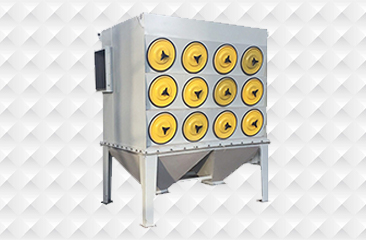
Mining & Mineral Processing Dust collector equipment
Large volumes of hard and abrasive dust particles are typical in most mining and mineral processing related applications. This dust type rapidly wears out filter media, leading to frequent maintenance or worse: filter leaks. Without effective dust emission control, equipment, process, employees and the environment may be at risk and production could be halted.
Cement manufacturing offers particularly difficult challenges to dust collectors. Based on data from installations, it's been estimated that as much as 1% of mining throughput can be lost to the surrounding environment. For a 700 TPH quarry, that's about seven tons per hour lost from conveyors, crushers and screens, and that does not include losses from stockpiles.
As your single filtration source for mining and minerals, LEFILTER helps you navigate the complex world of dust collection specifically for the cement industry in the most efficient and environmentally-friendly way.

Applications:
Dust Control in Specific Areas
The following is a list of some of the typical areas at mines and quarries generating dust that can be controlled by dust collection equipment:
Rail or truck dumps
Crushers
Screens
Conveyor belt transfer points
Silos or bin filling
Rail, barge or truck loading
Guidelines to Practical Dust Collection
Years of experience in mining and quarry dust control has highlighted a number of significant points:
Everywhere That Material Is Supposed to Drop Through Air, Dust Is Generated
The most obvious dust generation points may seem to be conveyor transfer points and feed points from screens and crushers. But often, oversized feed-outs from screens or transfer of large product into bins will generate significant dust.
Dust Collectors Philosophy: Source or Central
Two basic strategies exist for applying dust control to mines and quarries; source collection (putting the dust collector at the source of the dust emission so collected dust can be deposited directly back into the process stream) or centralized collection (putting the collector in a central location where dusty air is ducted to the collector and discharged as a separate process stream).
Source Collection Operational Advantages Include:
Lower capital costs as less ducts, and fewer hoppers, screw conveyors or rotary valves are typically required.
Fewer maintenance problems as fewer ducts or hoppers are being used that can block or bridge. In addition, since there are fewer hoppers, there are fewer hopper discharge devices that need to be maintained.
A shutdown of one unit may result in temporary increased emissions in a single area, but will be unlikely to necessitate a complete plant shutdown.
Dust Collection Considerations
The following points need to be considered in the selection of central dust collectors for mining and quarrying applications:
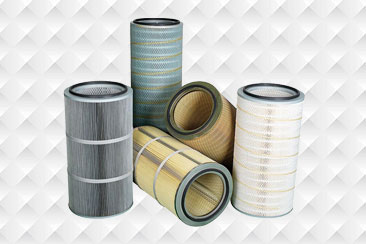
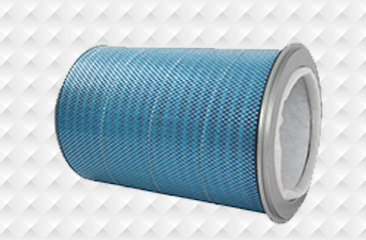
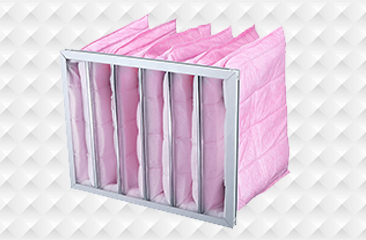
Mine and quarry dust is often abrasive and particle impact against filter media needs to be considered to avoid possible filter damage. This requires consideration of incoming air velocity, dust distribution, and air patterns within the collector.
Dust removal and disposal requires careful consideration to avoid blockages, equipment abrasion, secondary dust emissions, and higher costs for maintenance and materials handling.
Source collection systems may be easier to deal with since hoppers and ducting are often not used. But when using source collection, the following should be considered:
Since collectors are often much closer to the source of dust generation, be aware of any water or oil in the dust as this could create problems with filter medias.
Filter abrasion typically is not an issue, however, if the source collector is being used as a bin vent, place the collector as far from the inlet as possible to avoid abrasion and/or unnecessarily high dust loading.
Xinxiang Lefilter Filter Co., Ltd All rights reserved Record No. : 11005909-1 prepared by Yu ICP



 +86 185 6822 9226
  enquiry@xxfilter.com