
Home > INDUSTRIES > Solution >



Dust Collection for the Bakery Industry
Dust control for commercial baking is essential to prevent cross-contamination concerns, eliminate conditions that allow microbial growth, and reduce the risk of a dangerous combustible dust explosion. At the same time, commercial bakeries must create comfortable, healthy working conditions to retain valuable employees. LEFILTER can help you design a dust collection system that will improve employee comfort, meet food safety requirements and protect your facility from combustible baking dust.
DUST-CREATING PROCESSES IN COMMERCIAL BAKERIES
Commercial bakeries can produce a lot of dust at different stages of the process. The majority of dust is created when handling dry ingredients such as flour, sugar, cornstarch or spices. Later stages of the baking process, after wet ingredients have been added (e.g., dough mixing, fermentation, proofing, panning), will naturally be less dusty. Dust-creating processes for bakeries may include:
Bulk material handling, transport and conveyance
Measuring/pouring/dumping
Dry mixing/batch mixing/sifting
Topping/dusting
Packaging (box filling, bag filling, carton filling)
DUST COLLECTION CHALLENGES FOR COMMERCIAL BAKERS
While home bakers may not consider baking to be a particularly hazardous activity, baking dust creates much bigger problems when ramped up to a commercial scale. Bakeries must have dust control systems in place to ensure both food and worker safety.
CONSIDERATIONS IN SELECTING A DUST CONTROL SOLUTION FOR COMMERCIAL BAKERIES
Engineering controls for baking dust will generally include a mix of containment, ventilation and dust collection/filtration solutions. While the exact solution will vary depending on the dust type, specific processes, and layout of the facility and production lines, there are some general principles that apply to the baking industry.
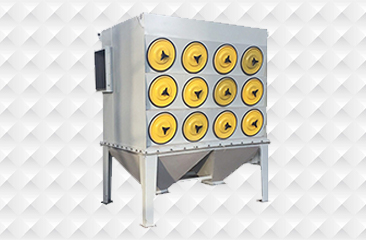
Dust collection and filtration: The volume of dust created in a commercial bakery will generally require a specialized dust collection system. A cartridge-style dust collector is a practical and efficient choice for bakeries. Cartridge-style dust collectors have a small footprint per CFM compared to other styles of dust collectors, such as baghouse. They also have a wider range of filter options to collect even very fine baking dust or fumes created by additives and flavorings.
Enclosure/source capture: Many baking processes (e.g., batch mixers, sifter, dumpbins, etc.) are easily enclosed to contain dust for source capture. If the process cannot be enclosed, it is possible to create a custom hood to draw dust away from the production line as it is created. Positive and negative pressure zones can also be used to prevent dust from earlier processes and conveyor systems from propagating into areas where baked goods are finished and packaged.
Combustion mitigation: Special care must be taken when collecting flour and other combustible dusts to minimize the risks of an explosion inside the dust collector. The dust collector should be equipped with a deflagration system to prevent pressure waves from propagating back into the facility if an explosion should occur.
Dust collector location: In most cases, the dust collector for a commercial bakery will be located outside and will vent filtered air to the outside. This prevents re-contamination of food and food packaging when the filters are changed or the dust collector bin is emptied.
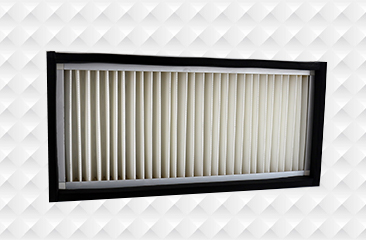
Makeup air and filtration: Because air is usually vented outside, a makeup air system will also be required to maintain the right air pressure inside the facility. HEPA filtration in the HVAC or makeup air system will ensure that air that enters the facility is clean and does not introduce any contamination into baking or packaging lines.
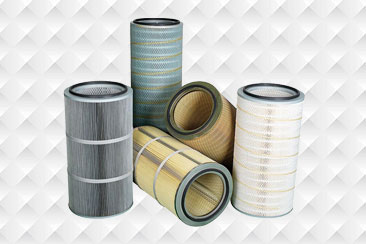
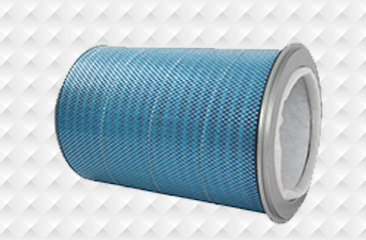
Filter media selection: Selecting the right filter for the dust collection system is also very important for commercial baking dust. Many flours, sugars and other food dusts are hygroscopic, meaning they readily absorb moisture from the air. In a humid environment, these dusts may cake or form a crust on filters. A washable filter media can extend filter life considerably in these situations.
Xinxiang Lefilter Filter Co., Ltd All rights reserved Record No. : 11005909-1 prepared by Yu ICP


 +86 185 6822 9226
  enquiry@xxfilter.com