
Home > INDUSTRIES > Solution >



1. Clarify Working Condition Requirements
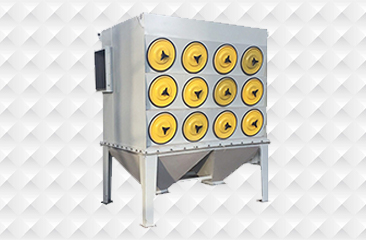
Before selecting a pulse jet baghouse dust collector, it is essential to first clarify the working condition requirements, including determining the air volume to be handled
by the collector and understanding the characteristics of dust such as particle size, concentration, temperature, humidity and adhesiveness. Air volume directly affects the specifications and performance of the collector,
so it is necessary to accurately estimate the required air volume based on factors such as the size of the suction hood, the distance from the dust emission point and filtration air velocity.
Dust characteristics are crucial for filter media selection. For dust with high temperature, high humidity or strong corrosiveness, high-temperature and corrosion-resistant filter media such as glass fiber and aramid should be selected.
Meanwhile, the appropriate filtration air velocity can be determined according to dust particle size and concentration to ensure dust removal efficiency and extend the service life of filter bags at the same time.
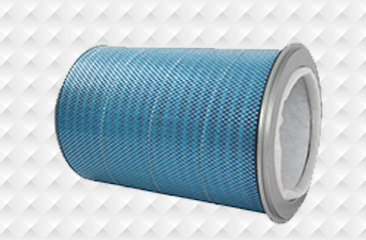
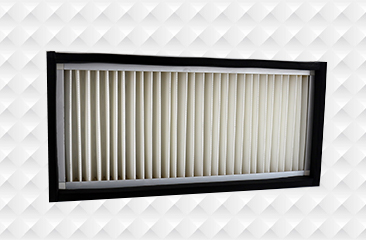
Filter media is the core component of a pulse jet baghouse dust collector, and its material and performance directly affect the dust removal efficiency and operational stability of the collector.
When selecting filter media, in addition to considering dust characteristics, it is also necessary to clarify the emission standards of the collector in accordance with local environmental protection regulations or user requirements.
The dust removal efficiency target should be determined based on emission standards, and the appropriate filtration efficiency grade should be selected.
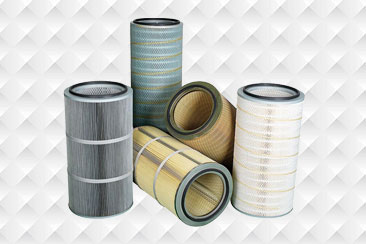
Common filter media materials include polyester, aramid and glass fiber, each with different performances in high temperature resistance, corrosion resistance and wear resistance.
In the selection process, factors such as the durability, corrosion resistance and ash cleaning effect of the filter media should be comprehensively considered. At the same time,
attention should be paid to the specifications and dimensions of the filter media to ensure compatibility with the dust collector.
Pulse jet cleaning is the commonly used ash cleaning method for pulse jet baghouse dust collectors at present. Compressed air is injected into the filter bags through pulse valves for ash cleaning,
which can effectively remove the dust layer on the filter bags and restore the filtration capacity of the collector. When selecting a pulse jet baghouse dust collector,
the reliability and maintenance convenience of the ash cleaning system should be taken into account.
The setting of the ash cleaning cycle is critical to the stable operation and ash cleaning effect of the collector. An overly long ash cleaning cycle will lead to an excessively thick dust layer on the filter bags,
increasing the resistance of the collector and affecting dust removal efficiency; an overly short one will increase compressed air consumption and raise operating costs.
Therefore, the ash cleaning cycle should be reasonably set according to dust characteristics and the operating conditions of the collector.
The layout and installation position of a pulse jet baghouse dust collector also have an important impact on its operational effect. When selecting a collector, the installation position and space size
should be determined according to the layout of the production workshop and the placement of equipment. Meanwhile, the inlet and outlet positions of the collector and the air duct layout
should be considered to reduce air flow resistance and air leakage.
A reasonable layout of inlets, outlets and air ducts can ensure smooth air flow and improve dust removal efficiency. In addition, necessary air valves and adjusting devices should be
installed to control air flow distribution and regulate air volume. During installation, attention should be paid to the levelness and verticality of the collector, as well as the installation position
and fixing method of filter bags and pulse valves, to ensure the stability and operational effect of the collector.
Economic evaluation is also required when selecting a pulse jet baghouse dust collector, including considering various costs such as equipment cost, installation cost, operation and maintenance cost of the collector.
Choosing a collector with a high cost performance can reduce investment costs and improve economic benefits.
In addition to cost considerations, factors such as the energy consumption of the collector and the replacement cycle of filter media should also be focused on. Operating costs can be reduced and the service life of filter bags
can be extended by adopting energy-saving measures and an efficient ash cleaning system. For example, pulse valves and compressors with energy-saving functions can be selected,
and parameters such as the ash cleaning cycle and jet pressure can be optimized to reduce energy consumption and compressed air consumption.
For working conditions involving the treatment of hazardous substances such as toxic and explosive materials, a collector with corresponding safety measures should be selected,
ensuring that its explosion-proof, anti-toxic and other safety measures comply with relevant standards and regulations. Meanwhile, the maintenance convenience of the collector should be considered,
including filter bag replacement and ash cleaning system maintenance.
Selecting a collector that is easy to maintain and service can reduce maintenance costs and improve equipment reliability. For example, a collector with an automatic ash cleaning function can be chosen to
reduce the frequency and difficulty of manual ash cleaning. In addition, a collector with remote monitoring and fault diagnosis functions can be selected to timely detect and solve problems and ensure the stable operation of the collector.

Xinxiang Lefilter Filter Co., Ltd All rights reserved Record No. : 11005909-1 prepared by Yu ICP


 +86 185 6822 9226
  enquiry@xxfilter.com