
Home > INDUSTRIES > Solution >



When selecting air panel filter elements, several factors need to be considered. Here are some key points:
Filtration Efficiency
Choose the appropriate filtration level based on the application and requirements.
Common filtration levels include primary efficiency (G series), medium efficiency (F series), and high efficiency (H series).
For example, primary efficiency filters are suitable for filtering larger particles such as dust and pollen; medium efficiency filters can filter finer particles; and high-efficiency filters are used in environments requiring extremely high air quality,
such as cleanrooms and hospitals.
Filter Material
Different filter materials have different performance characteristics:
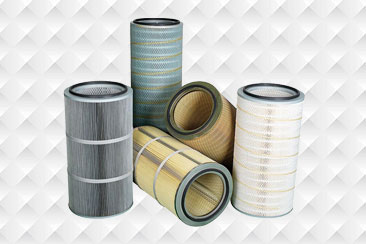
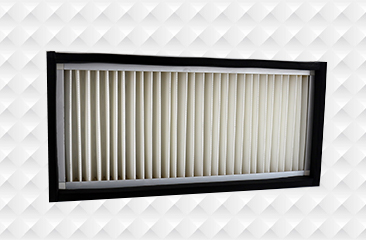
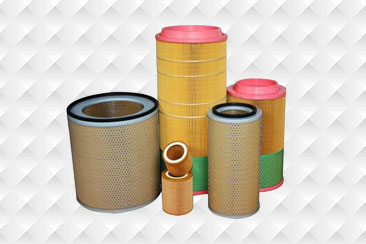
Paper filters: Lower price, good filtration effect, but shorter service life, suitable for general environments.
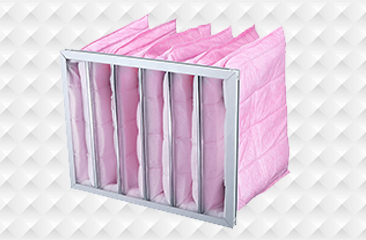
Non-woven fabric filters: Large filtration area and dust holding capacity, washable and reusable, suitable for environments with a lot of dust.
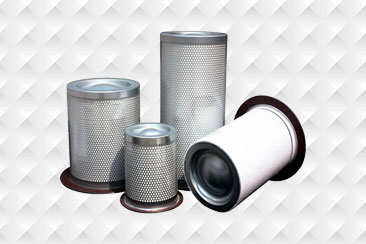
Metal filters (such as aluminum mesh, stainless steel mesh): Robust structure, large dust holding capacity, high temperature and corrosion resistance, suitable for harsh environments or high airflow requirements.
Size and Compatibility
Ensure that the filter element's dimensions perfectly match the frame of the panel filter, including width, height, and depth. Incompatible filters may lead to insecure installation or poor filtration performance.
Some filter elements may have special installation requirements; refer to the product manual or consult the supplier.
Initial Resistance and Airflow
Initial resistance refers to the resistance of the filter element to airflow when it is not yet clogged with dust.
The selection should be based on the actual airflow requirements and the allowable resistance range of the system. Generally, the greater the airflow, the larger the required filter area and initial resistance, but excessively high initial resistance may affect the efficiency of the ventilation system.
Dust Holding Capacity and Service Life
Dust holding capacity refers to the total amount of dust the filter element can hold before failure. The larger the dust holding capacity, the longer the service life of the filter element and the lower the maintenance costs.
For environments with a lot of dust, it is recommended to choose a filter element with a larger dust holding capacity.
Sealing and Structural Stability
The sealing between the filter element and the frame is crucial; good sealing prevents unfiltered air from leaking.
At the same time, the filter element's structure should be robust and stable to prevent deformation or collapse during use, which would affect the filtration effect. Brand and Quality
Choosing filter elements from well-known brands usually offers better guarantees in terms of manufacturing processes, quality control, and after-sales service.
You can learn about the reputation and product quality of different brands by checking user reviews, professional reviews, or consulting industry experts.
Summary: When choosing air panel filter elements, you need to consider factors such as the operating environment, filtration requirements, and airflow requirements.
Prioritize filter elements with high filtration efficiency, large dust holding capacity, good sealing performance, and compatibility with the equipment.
Also, pay attention to parameters such as the filter material, initial resistance, and service life to ensure effective filtration and the normal operation of the system.
Disclaimer: The content provided is sourced from publicly available channels such as the internet, WeChat official accounts, and submissions from individuals/organizations.
We maintain a neutral stance on the views expressed in the articles and provide them for reference and discussion purposes only.
The copyright of reprinted articles belongs to the original authors and organizations. If there is any infringement, please contact us for removal.


Xinxiang Lefilter Filter Co., Ltd All rights reserved Record No. : 11005909-1 prepared by Yu ICP


 +86 185 6822 9226
  enquiry@xxfilter.com