
Home > INDUSTRIES > Solution >




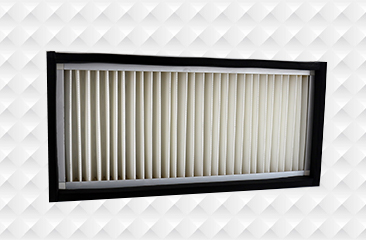
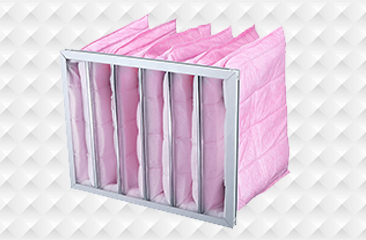
In the food and beverage industry, V-bank filters are essential for ensuring product safety, extending shelf life, and preventing cross-contamination. They are typically installed in air handling units (AHUs) to provide a clean, controlled environment during processing and packaging.
Critical Roles in Food Processing
Contamination Prevention: Food facilities are breeding grounds for mold, yeast, and bacteria. V-bank filters (typically MERV 14–16) capture these microorganisms before they can settle on food surfaces or equipment.
Regulatory Compliance: These filters help facilities meet stringent global food safety standards, such as HACCP (Hazard Analysis and Critical Control Points) and SQF (Safe Quality Food) requirements for air quality.
Moisture & Humidity Management: Food plants often have high humidity due to steam and washing. V-bank filters with synthetic, water-repellent media prevent the filter from collapsing or becoming a breeding ground for mold when wet.
Odor Control: In facilities processing pungent ingredients (like spices, onions, or fish), Carbon-loaded V-bank filters are used to absorb volatile organic compounds (VOCs) and prevent odors from migrating to other production lines.
Key Benefits for Food Facilities
Feature Food Industry Benefit
Microbial Control High-efficiency media traps spores and pathogens, reducing the risk of product spoilage.
Plastic Frame (ABS) Eliminates the risk of metal corrosion or rust flakes entering the food supply chain.
High Dust Capacity Handles the fine powders (flour, sugar, starch) common in bakeries and plants without clogging instantly.
Energy Efficiency Low resistance reduces the power needed for 24/7 ventilation, lowering overhead costs.
Food-Grade Materials Many are manufactured using adhesives and sealants that are non-toxic and safe for indirect food contact.
Typical Application Areas
High-Care/High-Risk Zones: Where ready-to-eat (RTE) foods are exposed to the air before packaging.
Bakeries: Managing high volumes of airborne flour dust to prevent respiratory issues for workers and equipment failure.
Dairy & Meat Processing: Maintaining ultra-clean air to prevent rapid bacterial growth in protein-rich environments.
Bottling Lines: Keeping the environment sterile during the filling of beverages.
Xinxiang Lefilter Filter Co., Ltd All rights reserved Record No. : 11005909-1 prepared by Yu ICP


 +86 185 6822 9226
  enquiry@xxfilter.com