
Home > INDUSTRIES > Solution >



How to choose a baghouse dust collector?
Step 1: Master dust removal working conditions and determine the physicochemical properties of flue dust
When selecting a baghouse dust collector, it is essential to understand the composition, temperature, corrosivity, flammability and explosibility of dust-laden gas, as well as the particle size, dispersion, abrasiveness and adhesiveness of dust particles. Basic information such as the air volume handling capacity, wind pressure, service life and installation requirements of the dust collector should also be confirmed with the baghouse manufacturer. Finally, verify that the flue gas concentration after filtration by the baghouse unit meets the relevant emission standards.
Step 2: Determine the dust cleaning method and select the dust collector model
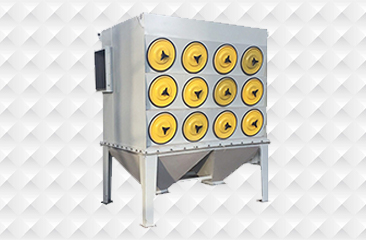
Baghouse dust collectors are classified into four main categories by dust cleaning method: mechanical vibration type, pulse jet type, reverse air type and composite dust cleaning type.
Step 3: Filter material selection is critical to filter bag service life
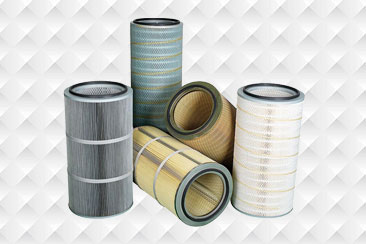
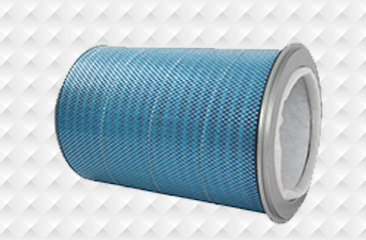
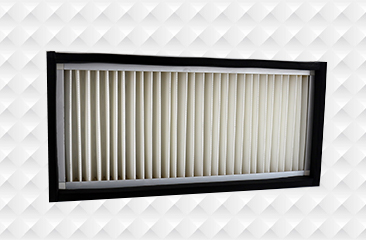
Filter material is a key factor affecting the dust removal efficiency of baghouses. Selection should fully consider the physicochemical properties of dust-laden gas and the dust cleaning method of the selected equipment. A wide range of filter materials are currently available, including needle punched felt, membrane-coated fabric, woven fabric and glass fiber. Proper selection will facilitate subsequent maintenance work.
Step 4: Determine the filtration velocity based on industry experience
The filtration velocity of the dust collector is determined by considering factors such as dust characteristics, filter material type and dust cleaning method. A high filtration velocity is not suitable for handling fine, adhesive and abrasive dust particles, nor for high-temperature and high-humidity gas. For certain filter materials with slightly higher resistance, the filtration velocity can be appropriately increased, subject to the specific filter material type.
Step 5: Calculate the filtration area of the dust collector
In general, calculating the filtration area requires knowing the air volume to be handled and the predetermined filtration velocity, which should be measured and calculated by engineers with years of dust removal industry experience.
Step 6: Set the dust cleaning cycle according to actual working conditions
A fine-tuned dust cleaning cycle is required by professionals, taking into account the impacts of dust cleaning method, flue dust properties, filter material type, filtration velocity and pressure loss. Precise control of the jet pulse cycle and pulse interval is crucial for optimal performance.

Xinxiang Lefilter Filter Co., Ltd All rights reserved Record No. : 11005909-1 prepared by Yu ICP


 +86 185 6822 9226
  enquiry@xxfilter.com