
Home > INDUSTRIES > Solution >




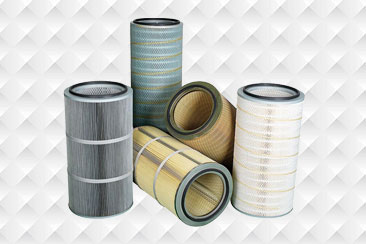
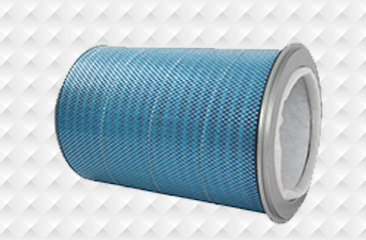
In the woodworking industry, Polyester Filter Cartridges are the gold standard for dust collection systems. They are specifically engineered to handle the high-volume, abrasive nature of wood chips and the fine, hazardous particles produced during sanding.
Why Polyester for Woodworking?
Toughness & Abrasion Resistance: Wood chips (especially hardwoods) are abrasive. Unlike cellulose (paper) filters that can tear easily, spun-bonded polyester is a rugged synthetic fabric that withstands high-velocity impact from sawdust without degrading. Donaldson Filtration
Superior Surface Loading: Wood dust tends to be "fluffy" and can easily clog the pores of deep-loading filters. Polyester media promotes surface loading, meaning dust stays on the outside of the pleats. This makes pulse-jet cleaning far more effective at shedding the dust cake.
Washability & Reuse: One of the biggest ROI factors for woodshops is that polyester cartridges are washable. If the filter becomes blinded by resinous or oily wood dust (common with pine or cedar), it can be rinsed, dried, and reinstalled, significantly extending its service life compared to disposable filters. Parker Hannifin
Safety (Anti-Static Options): Wood dust is highly combustible and prone to static buildup. For fine sanding applications, polyester cartridges are often available with an aluminized anti-static coating to safely dissipate static charges and reduce the risk of dust explosions in the collector.
Key Technical Specifications
Feature Woodworking Requirement
Efficiency 99.9% @ 5 micron (MERV 11-12)
Media Weight 240g/m² to 260g/m² spun-bonded polyester
Optional Coatings PTFE Membrane (for ultra-fine sanding dust) or Anti-static
Construction Galvanized steel inner core to prevent collapse under high vacuum
Primary Woodworking Applications
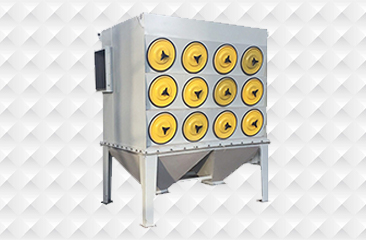
Central Dust Collectors: Managing heavy waste from planers, jointers, and table saws.
Sanding Stations: Capturing the fine, breathable dust that is most harmful to workers' lungs.
CNC Routers: High-speed filtration for continuous automated cutting and carving.
Resinous Wood Processing: Handling "sticky" dust from softwoods like pine, where standard paper filters would fail instantly.
Xinxiang Lefilter Filter Co., Ltd All rights reserved Record No. : 11005909-1 prepared by Yu ICP


 +86 185 6822 9226
  enquiry@xxfilter.com