
Home > INDUSTRIES > Solution >



How to Professionally Manage Industrial Dust Control?
In today's world, industrial production is crucial to economic development, but it also brings significant dust problems.
Suspended dust and particulate matter in the air, along with dust accumulated on object surfaces, not only affect the cleanliness of the production environment but can also cause equipment malfunctions, product quality issues, and even threaten the respiratory health and workplace safety of employees.
Therefore, effective dust control has become an essential part of sustainable industrial development.
This purchasing guide will explore dust control in my country's industrial sector, providing a reference for industrial enterprises.
Key Dust Control Scenarios and Pollution Characteristics: Dust pollution in factory work environments is mostly concentrated in two dimensions: "airborne" and "surface-accumulated." The pollution forms and risks vary significantly across different scenarios.
01 Airborne Dust:
Commonly found in machining (such as metal cutting and grinding), material handling (such as flour and plastic granule conveying), and welding operations.
These dust particles are mostly between 0.1-10μm in size, and some can directly enter the lungs; long-term exposure may lead to pneumoconiosis.
02. Surface Dust
Mostly originating from airborne dust settling, it is commonly found on equipment surfaces, workbenches, shelves, electrical control cabinets, and workshop floors.
For example, in the stamping workshop of an automotive parts factory, metal dust accumulating on equipment guide rails can accelerate component wear,
leading to decreased equipment precision; flour dust adhering to conveyor belt surfaces in food processing plants can also breed microorganisms, causing food safety issues.
Ignoring the Core Risks of Dust Control
If airborne and surface dust control is not implemented, factories will face multiple safety and operational risks.
01. Personnel Health RisksLong-term exposure to high concentrations of airborne dust can easily lead to occupational diseases such as pneumoconiosis and bronchitis in employees.
Enterprises will be liable for medical expenses and compensation, and will also face penalties from regulatory authorities (refer to relevant requirements of the Occupational Disease Prevention and Control Law).
02. Equipment and Production Risks
Dust entering the interior of equipment can block heat dissipation channels, causing motor overheating and damage; dust accumulation on object surfaces (such as sensors in CNC machine tools) can lead to data deviations, increasing product defect rates.
03 Safety Accident Risks
Combustible dust (such as magnesium powder and coal powder) may explode if it reaches a certain concentration in the air or accumulates on an object surface and comes into contact with an open flame.
Dust Removal Systems
Types of dust removal systems suitable for industrial facilities and workshops include:
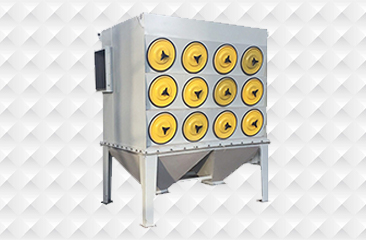
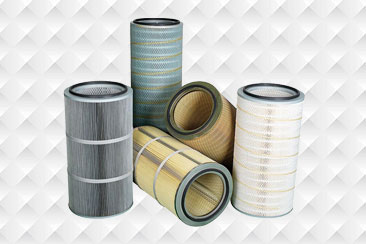
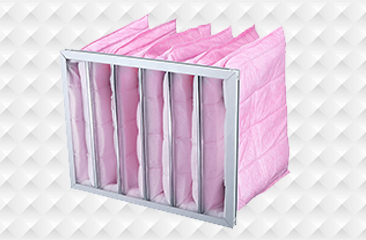
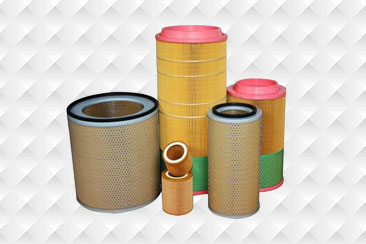
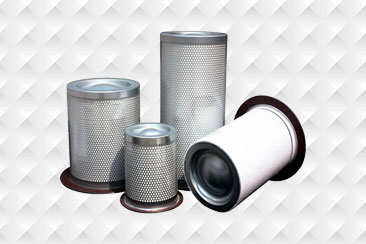
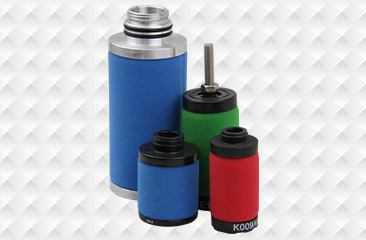
Dust Collectors: Dust collectors are industrial dust removal equipment. They occupy a large area and capture particulate matter from the air through a series of filters. Dust collectors include top ducts, suction hoods, and dust collector fans.
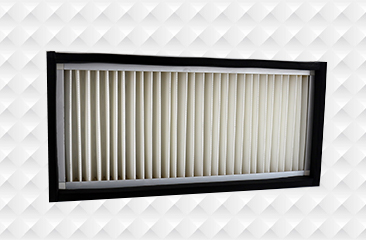
Air Filters: Workshop air filters can be installed on walls or ceilings or are freestanding designs. They work continuously in the background to purify the air.
Scrap or Large Particle Dust Collectors: These dust collectors are designed to remove scrap or large particles of dust generated by band saws, table saws, and planers.
Fine Dust Collectors: This type of system is suitable for sanders and filters out extremely fine dust from the air.
If you work in sanding, many sanding tools now come with built-in dust collectors or dust boxes, making the process less messy.
Alternatively, the sander can be connected to a power tool dust collector via a hose. Since power tool dust collectors are typically designed specifically to collect sanding dust, this is ideal for keeping the environment clean and dust-free during sanding operations.


Xinxiang Lefilter Filter Co., Ltd All rights reserved Record No. : 11005909-1 prepared by Yu ICP


 +86 185 6822 9226
  enquiry@xxfilter.com