
Home > INDUSTRIES > Solution >



What Factors Should Be Considered in the Selection of Boiler Dust Collectors?
Selecting a boiler dust collector requires considering complex flue gas characteristics to ensure safety, efficiency, stability, and economy, focusing on six core factors.
First, flue gas parameters (volume, temperature, humidity, dust concentration/particle size) determine specifications. Temperature dictates the selection of filter material, humidity requires moisture-proof measures, and dust characteristics affect efficiency and wear.
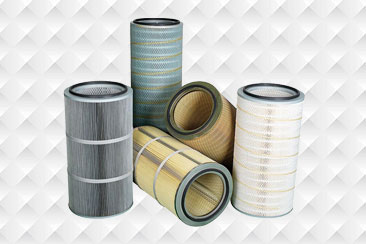
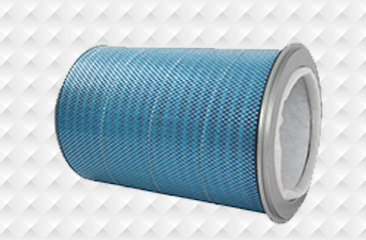
Second, dust characteristics (abrasion, corrosion, flammability) influence design and material selection. Abrasive dust requires wear-resistant bags and equipment linings; corrosive dust requires corrosion-resistant materials; flammable dust requires explosion-proof measures.
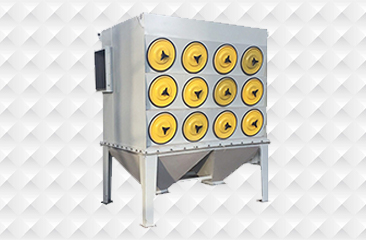
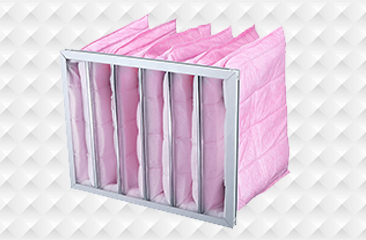
Third, environmental standards determine efficiency requirements. Pulse bag filters (with ≥99.9% efficiency) meet strict emission requirements (≤30mg/m³, even ≤10mg/m³ in key areas).
Fourth, boiler tonnage and operation: large-tonnage boilers require large-air-volume collectors (air box pulse type), while small-tonnage boilers can use small pulse or cyclone collectors. Adaptability to load fluctuations is key.
Fifth, installation space: choose horizontal/vertical/compact collectors based on the boiler room height and space, considering the installation of auxiliary equipment.
Sixth, operating cost: balance investment, energy consumption, bag replacement, and maintenance costs. Pulse bag filters have a high initial cost but low long-term operating costs; cyclone filters are cheap but low in efficiency.
Xinxiang Lefilter Filter Co., Ltd All rights reserved Record No. : 11005909-1 prepared by Yu ICP


 +86 185 6822 9226
  enquiry@xxfilter.com