
Home > INDUSTRIES > Solution >



How to Choose an Electric Furnace Dust Collector?
Electric furnaces (such as electric arc furnaces, induction furnaces) generate a large amount of high-temperature, high-concentration dusty flue gas during smelting operations, which has the characteristics of high temperature (150-300℃), high dust concentration (1000-5000g/m³), fine dust particle size (≤1μm), strong abrasion, and contains corrosive gases (such as sulfur dioxide, nitrogen oxides) and harmful metals. The selection of electric furnace dust collectors must focus on high temperature resistance, wear resistance, corrosion resistance, high efficiency and safety, and the key selection points are as follows:
First, adapt to high temperature and high dust concentration. 1. High temperature resistance: The flue gas temperature of electric furnaces is generally 150-300℃, so the dust collector must be high temperature resistant. For medium and high temperature (150-200℃), high-temperature pulse bag filters with PPS or FMS filter bags are selected; for high temperature (>200℃), high-temperature pulse bag filters with PTFE or glass fiber filter bags are selected, and the equipment body is insulated to avoid dew formation. 2. High dust concentration treatment: Install a multi-stage pre-treatment device (cyclone dust collector + ceramic multi-tube dust collector) at the inlet of the dust collector to remove large-particle dust (≥10μm) and reduce the dust concentration entering the filter bag, avoid filter bag wear and blockage, and extend the service life of the filter bag.
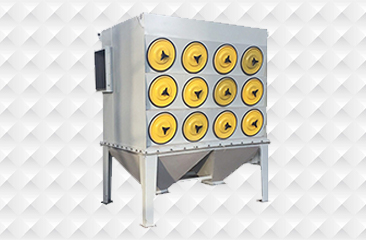
Second, select the appropriate dust collector type. The commonly used electric furnace dust collectors are mainly two types: 1. High-temperature pulse bag filter (Preferred): High dust removal efficiency (≥99.9%), can capture ultra-fine dust, meet strict emission standards (≤10mg/m³); flexible air volume adjustment, can adapt to the load change of electric furnaces; the filter bag can be selected according to temperature and corrosion, with strong adaptability. 2. Dry electrostatic precipitator: Suitable for large-scale electric furnaces with large air volume (>100000m³/h), high dust removal efficiency (≥99.9%), low resistance, and suitable for high-temperature flue gas; but high investment, complex maintenance, sensitive to dust resistivity, not suitable for dust with high viscosity.
Third, corrosion resistance and wear resistance. 1. Corrosion resistance: The flue gas of electric furnaces contains corrosive gases, so the equipment body and components are made of corrosion-resistant materials (such as stainless steel, corrosion-resistant alloy) or treated with anti-corrosion coating; the filter bag is selected with corrosion resistance (PTFE, FMS) to avoid corrosion damage. 2. Wear resistance: The dust of electric furnaces has strong abrasion, so the air inlet, ash hopper and other parts of the dust collector are lined with wear-resistant plates; the filter bag is selected with wear-resistant needle felt (FMS, PPS wear-resistant type) to extend the service life.
Fourth, safety measures. Electric furnace flue gas is flammable and explosive (contains combustible gases and dust), so the dust collector must be equipped with explosion-proof, anti-static and pressure relief devices: 1. Install explosion-proof valves and pressure relief pipes on the dust collector body to release pressure in time in case of explosion. 2. The filter bag adopts anti-static needle felt, and the equipment body, pipelines and fan are grounded (grounding resistance ≤4Ω) to avoid static accumulation. 3. Install temperature sensors and alarm devices to monitor the flue gas temperature in real time, and take cooling measures in case of excessive temperature.
Fifth, other considerations. 1. Air volume and pressure: The air volume of the dust collector should be 10-20% higher than the flue gas volume of the electric furnace, and the static pressure should overcome the system resistance (pre-treatment resistance + filter bag resistance + pipeline resistance), with a 10-15% margin. 2. Dust recovery: The collected dust (contains valuable metals) can be recycled, so the dust collector should be equipped with a convenient dust collection and transportation system (spiral conveyor, ash storage bin). 3. Maintenance: Choose equipment with simple structure, convenient maintenance, and easy replacement of filter bags and vulnerable parts to adapt to the long-term continuous operation of electric furnaces.
Xinxiang Lefilter Filter Co., Ltd All rights reserved Record No. : 11005909-1 prepared by Yu ICP


 +86 185 6822 9226
  enquiry@xxfilter.com